Operation Tools
Understand the tools used in modern surgery
Backendhospital explains common surgical instruments, support equipment, and operation tool categories in clear, reader-friendly language for general medical education.
Overview
What operation tools include
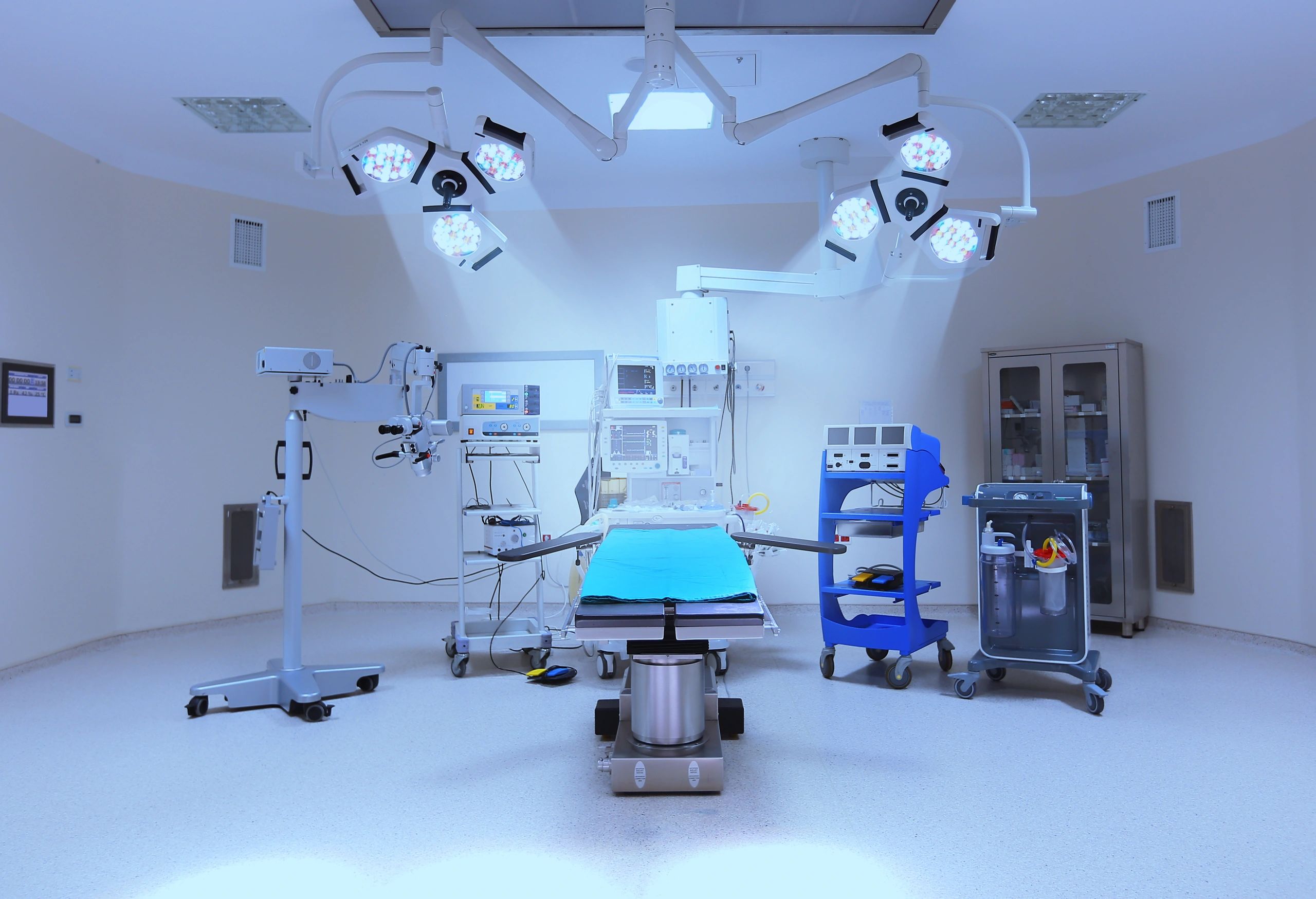
Operation tools include handheld instruments, visualization devices, monitoring equipment, and sterile support items that help clinical teams perform procedures safely and efficiently.
Hand instruments
Scalpels, forceps, clamps, retractors, and scissors are designed for precise handling, cutting, gripping, and tissue exposure.
Support equipment
Lighting, suction, electrosurgical units, and monitoring systems support visibility, control, and patient observation during care.
Categories
Common tool categories
Cutting tools
Includes scalpels, surgical scissors, and other instruments used to divide tissue with control.
Grasping tools
Forceps and needle holders help clinicians hold tissue, dressings, and sutures securely.
Retracting tools
Retractors help keep tissue or incisions open so the surgical field stays visible.
Clamping tools
Hemostats and clamps are used to control bleeding or temporarily secure structures.
Viewing tools
Scopes, cameras, and illuminated devices help teams see internal structures more clearly.
Sterile supplies
Trays, drapes, and packaged accessories support infection prevention and organized workflow.

Safety and responsible learning
Medical tools should be understood in context: purpose, sterile handling, and the role of trained professionals in using them appropriately.
Backendhospital provides general educational information only. Content is designed to help readers understand terminology and categories, not to replace clinical training, diagnosis, or professional medical advice.